A wet house is not dry because the air feels cooler or the carpet looks lighter. It is dry when moisture readings in the affected materials have reached a stated standard and have stayed there. A moisture log is the daily record of those readings. It is also one of the documents an insurer often asks for when a drying or mold-prevention bill is reviewed. If you hire a provider after a Miami leak or a flood, ask for the log in writing, and ask what "dry" means on your job.
What a useful log contains
There is no single official form, but a log that can be used later usually includes:
- The date and time of each visit or reading.
- The rooms and the exact spots measured — a wall cavity, a slab, a baseboard, a ceiling — not just a room name.
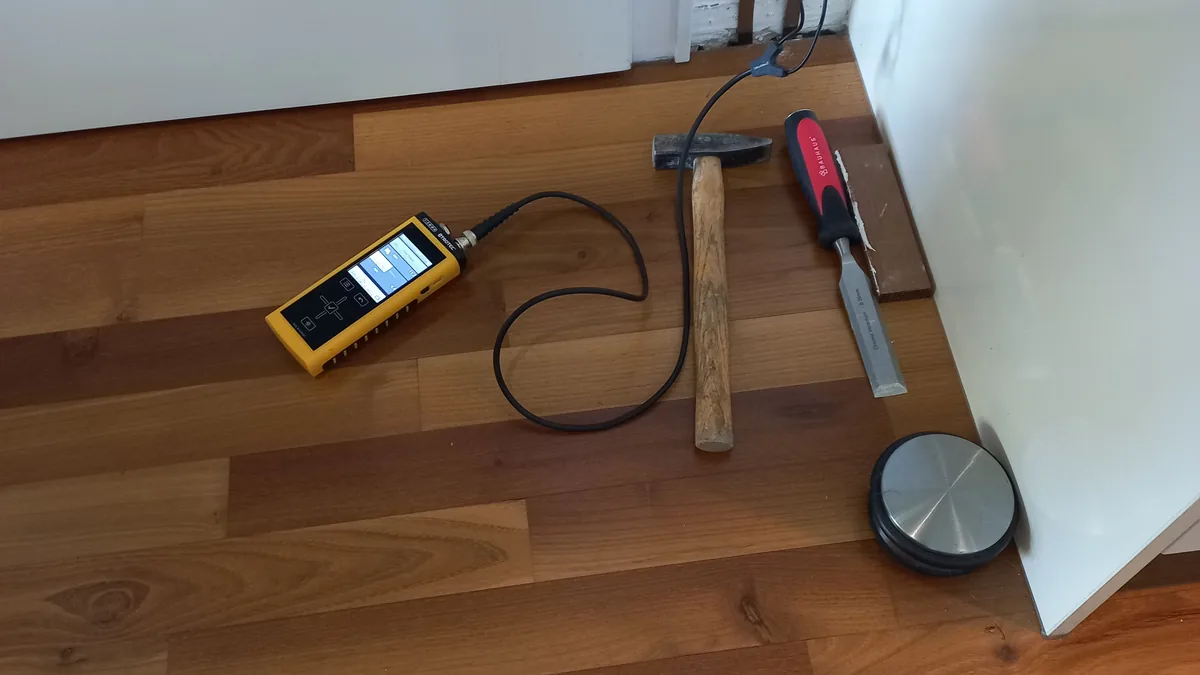
- The kind of meter used, and whether the reading is from a pin meter, a pinless meter, or a thermo-hygrometer for the air.
- The reading itself, and a comparable "unaffected" or dry-standard reading so you can see the target, not only a raw number.
- The equipment in place that day: how many air movers, how many dehumidifiers, and whether any material was removed.
- Photos that match the reading locations, especially on the first day and on the day the equipment comes out.
- The name of the person who took the readings.
IICRC S500 is the professional standard providers use to classify the water and the extent of wetting. It does not replace a log. The EPA's advice to dry water-damaged materials within 24 to 48 hours is the window to start the work. The log is how you show that the work actually continued until the materials were dry, not that someone stopped by twice and then packed up.
Why this matters in Miami
A slab under tile, or a wall in humid air, can feel dry on the surface and still hold moisture, which drying a concrete slab explains in more detail. Without a log, you are asking an adjuster — and your future self, if a stain comes back — to trust a memory. With a log, you can show the trend. Keep a copy yourself, not only on the provider's phone or in a portal you may lose access to later. A printed or emailed PDF at the end of each week is a reasonable request on a longer dry-out, and a complete file on the last day is the minimum on a short job.
If the job is also a claim, Florida's notice and insurer clocks, described in Florida property claim deadlines and in the claim deadline calculator, still run while the equipment is in the house. A log does not extend those deadlines, but it supports the part of the file that describes the drying itself.
What to ask before the equipment is set up
- Will I receive a written moisture log, and how often will it be updated?
- What dry standard are you using, and how is it shown on the log?
- Will you measure unaffected areas in the same house as a comparison?
- Will photos of the meter locations be part of the file I get at the end?
- Who decides when the equipment comes out, and will I see the final readings first?
If a provider cannot describe a dry standard, or will only "check back if it still smells," that is a reason to pause. You are not required to accept a verbal all-clear after a loss that soaked drywall or a slab. Planning prices for the drying work itself are on this site's pricing page. The order of extraction, equipment and monitoring is on the structural drying page. For homes in the city of Miami, the Miami area page covers local housing and flood notes.
This site is an independent referral service. If you send a request, one local provider may contact you about your home.
FAQs
Is a moisture log required by law?
No single Florida statute requires a homeowner to have one. It is a professional practice and a claim document. Asking for it is reasonable, and many insurers expect some form of drying record.
What if the numbers stop improving?
That can mean hidden water, a finish that is trapping moisture, or equipment that is undersized or fighting humid outdoor air. Ask the provider to explain the trend and to adjust the plan, rather than running the same setup for another silent week.
Should I keep my own photos as well?
Yes. Photograph the room, the equipment, and, if you are shown them, the meter readings. Your photos sit alongside the log; they do not replace it.
When can the equipment come out?
When the readings meet the dry standard the provider stated at the start, in the affected materials, not merely when the air feels better. Ask to see that last page of the log before anyone packs up.
Sources
- IICRC, ANSI/IICRC S500.
- EPA, A Brief Guide to Mold, Moisture and Your Home.
- Florida Department of Financial Services, Property Insurance Changes (claim process and notice clocks that a drying file may later support).