Overnight storms on November 17 and 18 flooded streets, garages and parts of some homes in Miami-Dade, as CBS News Miami reported. The National Weather Service in Miami now expects another round of showers and storms on Tuesday and Wednesday. If your home took water last week, or the ground around it is still soaked, the next two days are a good window to dry out, document and get ready.
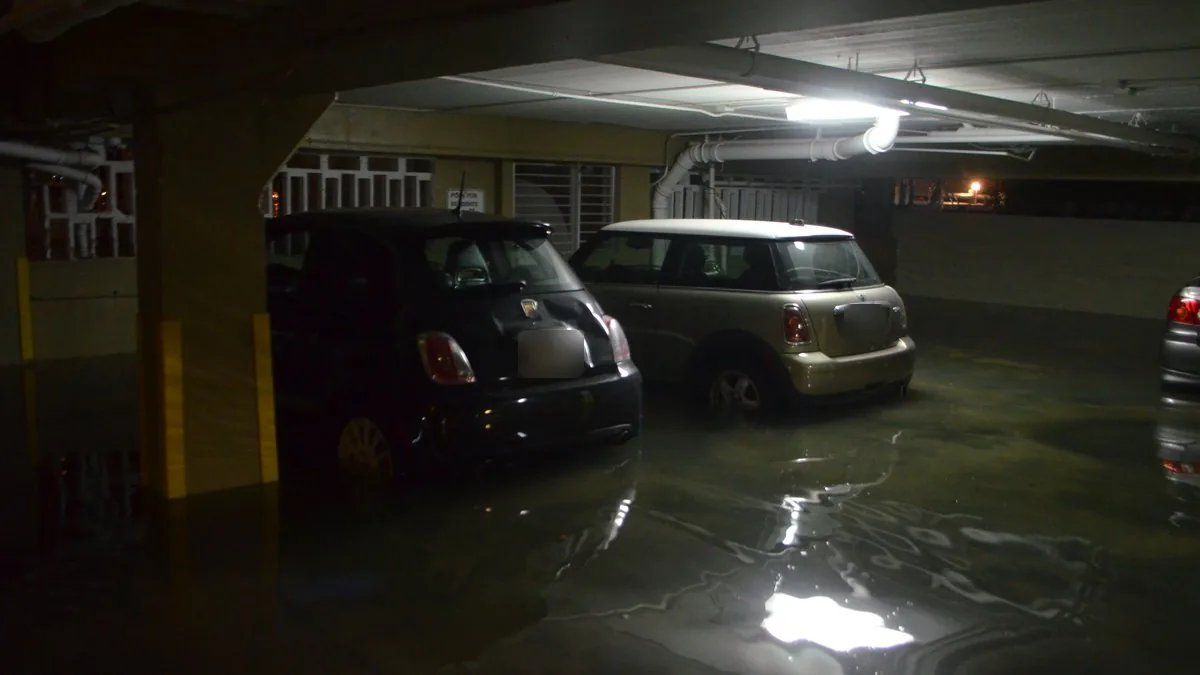
Source: CBS News Miami and National Weather Service Miami. Links are in the Sources section below.
What happened last week
Broward County took the worst of the rain, but parts of Miami-Dade were hit hard too:
- Rain totals. The Weather Service's preliminary 24-hour reports for November 18 listed 8.93 inches near Princeton, 7.39 inches just southwest of Aventura, and about 6 inches east of Coral Gables and near Carol City.
- Homes and garages. CBS News Miami reported more than 6 inches in Miami Gardens over 24 hours, with water in cars, garages and parts of homes in the Coconut Cay neighborhood. Water also covered part of 11th Street in South Beach.
- Streets. WSVN showed flooding along Northeast 191st Street in Aventura and flooded cars near McIntyre Street in Key Biscayne.
- Emergency status. On November 18, Governor DeSantis signed Executive Order 26-232, adding Miami-Dade to Florida's state of emergency for the fall flooding. Miami-Dade public schools closed on November 19.
What is forecast for Tuesday and Wednesday
In its November 22 forecast discussion, the Weather Service in Miami said a front and a weak low will bring scattered showers and thunderstorms on Tuesday and Wednesday. Wednesday looks like the most active day, and locally heavy rain is possible, especially in southeast Florida. The same discussion mentions possible minor coastal flooding at high tide starting Tuesday. CBS News Miami expects drier weather for Thanksgiving.
On already-soaked ground, even an ordinary downpour can pond in the same low spots as last week. Expect water to come back wherever it got in last week.
If water got into your home last week
- Stay safe around power. If water reached outlets, appliances or the electrical panel, do not touch them while standing in water. Have an electrician check them before you turn anything back on.
- Photograph before you clean. Take wide shots and close-ups of each room, the waterline on walls, the garage, and damaged items before anything goes to the curb. Keep a simple list as you go.
- Treat it as dirty water. Water that came in from flooded streets and yards is treated as contaminated (Category 3) under the industry's IICRC S500 standard. Soaked carpet pad, insulation and the bottom of wet drywall usually come out rather than being dried in place.
- Dry within a day or two. The EPA advises drying wet building materials and furnishings within 24 to 48 hours to help prevent mold. In Miami's humidity, a fan alone often is not enough. Our moisture logs guide explains the readings that show when a room is actually dry.
- Keep receipts. Save receipts for fans, dehumidifier rentals, cleanup supplies and any hotel stay.
Which policy may apply
Water that rose from the street or yard and flowed in is generally flood, and standard homeowners policies usually exclude flood. It is normally covered under an NFIP or private flood policy, if you have one. Rain that came through a roof or window that wind had damaged may be treated differently. Our post on how Florida policies split flood and wind goes through the difference, and Florida's claim deadlines explains the notice clock. Report damage to your insurer promptly, even if you are still cleaning up.
Before Tuesday's rain
- Move anything you care about off the floor in the garage and ground-floor rooms, especially electronics, papers and boxes.
- If your street flooded last week, park on higher ground before the heaviest rain on Wednesday.
- Clear leaves from gutters, downspouts and the drain grate nearest your driveway, but only if you can reach them safely.
- Keep drying equipment running in rooms that are still wet. Rain on top of a damp slab or wall slows drying even more.
- Never drive or walk through flooded streets. The Weather Service's advice is "Turn Around, Don't Drown."
Hiring help during a state of emergency
Florida's price-gouging law applies during a declared state of emergency. The Attorney General's office takes reports at 1-866-966-7226. Before you sign anything, check a contractor's license on the Florida DBPR site (MyFloridaLicense.com). If mold is involved, see our post on Florida mold licensing, and read how Florida's AOB ban affects the paperwork you will be asked to sign.
This site is an independent referral service and does not do the work itself. If you send a request, one local provider may contact you about extraction and drying. Providers typically follow the IICRC S500 drying standard. See storm and flood cleanup and structural drying for what that work usually involves.
FAQs
My garage flooded but the house stayed dry. Do I still need to dry anything?
Check the drywall at the bottom of garage walls, any doors into the house, and stored boxes. Garage drywall that wicked water can hold moisture. Anything cardboard or fabric that sat in floodwater is usually best photographed and thrown out.
Will homeowners insurance pay for last week's flooding?
Usually not if the water rose from outside, because flood is a standard exclusion. A flood policy (NFIP or private) is what normally applies. Wind-related openings in a roof or wall are treated differently, so describe exactly how the water got in when you report it.
How soon should wet drywall and carpet be dried or removed?
The EPA says within 24 to 48 hours to help prevent mold. If the water came from outside, padding and the soaked bottom of drywall usually come out rather than being dried in place.
Is more flooding expected this week?
The National Weather Service in Miami forecasts scattered showers and storms on Tuesday and Wednesday, with locally heavy rain possible and Wednesday the most active day. Check the latest forecast, because amounts depend on where the storms set up.
Does the state of emergency change anything for homeowners?
It activates Florida's price-gouging law for essential goods and services. It does not change your insurance coverage or claim deadlines, so report damage to your insurer as usual.
Sources
- CBS News Miami, Miami-Dade public schools to close Thursday as flooding threat continues across South Florida (Nov. 18, 2026).
- CBS News Miami, Rainy Saturday in store for South Florida, but clearer skies are ahead (Nov. 21, 2026).
- WSVN 7News, Heavy rain continues to flood parts of Miami-Dade, Florida Keys following overnight storms (Nov. 18, 2026).
- National Weather Service Miami, Public Information Statement: preliminary 24-hour precipitation reports, archived by Iowa Environmental Mesonet (Nov. 18, 2026).
- National Weather Service Miami, Area Forecast Discussion (Nov. 22, 2026).
- Executive Office of the Governor, Executive Order 26-232 (Nov. 18, 2026).
- FEMA / NFIP FloodSmart, Get Insured (homeowners policies generally do not cover flood).
- U.S. EPA, A Brief Guide to Mold, Moisture and Your Home.
- IICRC, ANSI/IICRC S500.
- Florida Attorney General, Price gouging FAQ; Florida Statutes s. 501.160.