Atlantic hurricane season runs from June 1 through November 30. For a Miami homeowner, water is often the loss that lasts: rain through a failed opening, surge or street flooding on a ground floor, or a slow leak after the power comes back. This checklist is about reducing how much water gets in, and about being able to prove what happened so drying can start as soon as it is safe.
Before the season starts
- Walk the openings. Check sliders, window tracks, roof boots, flashing and the air-handler closet for existing stains or standing water in a pan. A small leak becomes a large one when rain lasts for hours.
- Know your shutoffs. Find the main water valve and the electrical panel, and make sure adults in the house can reach them. Label them if they are not obvious.
- Photograph the house now, dry. Take rooms, ceilings, the garage, the ground floor and any existing cracks or stains. Those pictures are the baseline an adjuster compares against later.
- Copy your documents. Put insurance declarations, a photo of your driver's license, and a simple inventory of valuables in a cloud folder and on a flash drive you can take with you.
- Check flood coverage, not just wind. A standard homeowners policy generally excludes flood. If you need a National Flood Insurance Program policy, it usually starts 30 days after purchase, so buying it in May is too late for a June storm.
- Look at your hurricane deductible. In Florida, a hurricane deductible is shown as a dollar amount and applies during a defined hurricane period: from a hurricane warning anywhere in the state until 72 hours after the last watch or warning ends, as the Department of Financial Services summarizes House Bill 1185. Know the number before you need it.
Seventy-two hours out
- Bring in or tie down loose items that can break a window or a slider.
- Clear balcony and yard drains so they are not already clogged when the rain starts.
- Move cars out of the lowest garage spaces if the building allows it.
- Raise boxes and appliances off a ground-floor or garage slab.
- Charge phones and download offline copies of your policy numbers and a local emergency list.
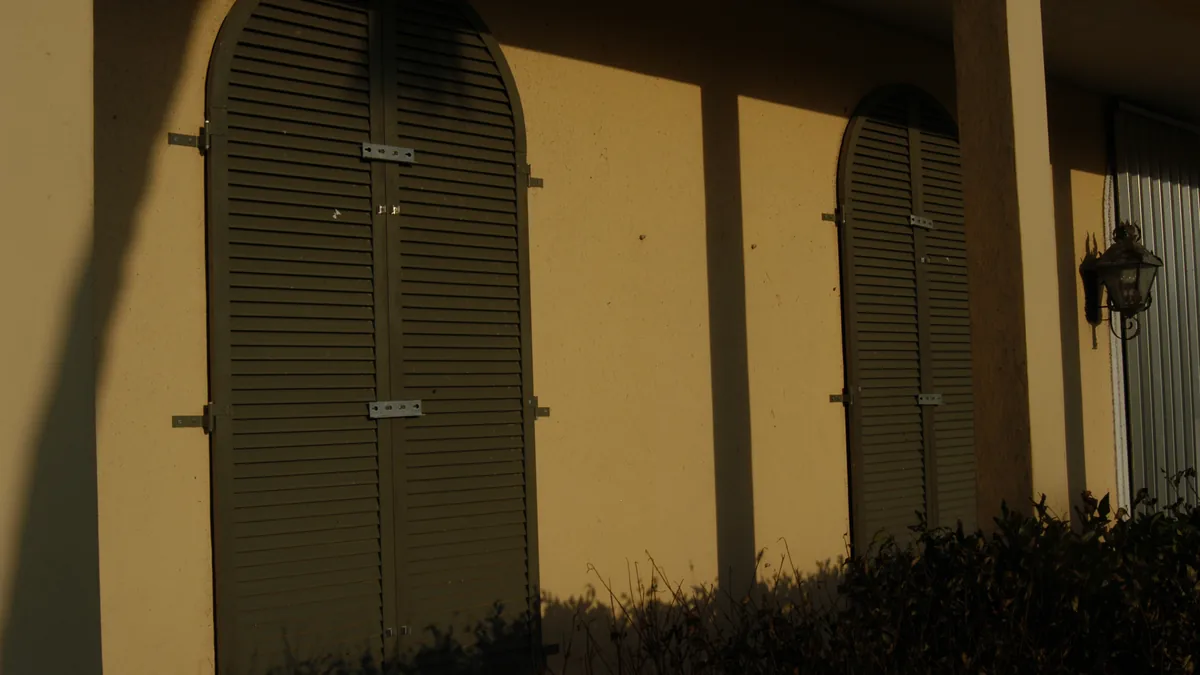
- If you have shutters or professionally installed panels, actually close them. A stack of plywood in the garage does not protect a window. If you may evacuate, take the flash drive and leave a written note of the shutoff locations for anyone who might return first.
After the storm, when it is safe to go back
- Do not walk through standing water that may be live, or that may hide debris.
- Photograph the highest waterline, inside and out, and any opening the wind made, before you clean the marks away. That evidence is how a flood claim and a wind claim are told apart; the flood vs. wind damage sorter walks through the question.
- Stop further water if you can do it safely: a tarp on a roof hole, a valve shut, a towel only as a temporary catch.
- Start drying within 24 to 48 hours if materials got wet. That is the window the EPA cites to help prevent mold growth. A fan in an open, humid room is not enough for wet drywall or a wet slab, a point also covered in drying a concrete slab.
- Give your insurer written notice quickly. Florida's claim-notice clocks, described in Florida property claim deadlines, are shorter than many people expect.
Cleanup after surge or street flooding is covered on the storm and flood cleanup page. For houses inside the city of Miami, the Miami area page collects local housing and flood notes.
This site is an independent referral service. If you send a request, one local provider may contact you about your home.
FAQs
When does hurricane season start in Miami?
The Atlantic season begins June 1 and ends November 30, a calendar NOAA and the National Hurricane Center publish each year. The City of Miami Beach also notes the June 1 start on its flood-awareness page.
Does the hurricane deductible apply to a summer thunderstorm?
The hurricane deductible, as DFS describes it after the 2023 law, applies from a hurricane warning until 72 hours after the last watch or warning ends. An ordinary thunderstorm outside that period is usually treated under a different deductible. Your policy controls the details.
What should I photograph first when I return?
The exterior waterline, the street or yard if water is still there, any broken opening, and the rooms that got wet, with dates visible if you can. Then start extraction. Do not wait days for the perfect photo.
How soon should drying begin?
The EPA recommends drying wet materials within 24 to 48 hours. Begin as soon as the building is safe to enter and the source of new water is under control.
Sources
- NOAA / National Hurricane Center, Atlantic hurricane season (June 1–November 30); City of Miami Beach, Extreme Rain Events and Flood Awareness.
- Florida Department of Financial Services, Property Insurance Changes (HB 1185, hurricane deductible period).
- EPA, A Brief Guide to Mold, Moisture and Your Home.
- FEMA, Flood Insurance.