When water comes through a Miami Beach ceiling from the unit above, the first hour is about safety, notice and photographs, not about arguing over whose policy will pay. Tell the neighbor and the association right away, move what you can out of the drip, and keep a written record. Florida law already draws a line between the association's coverage and yours.
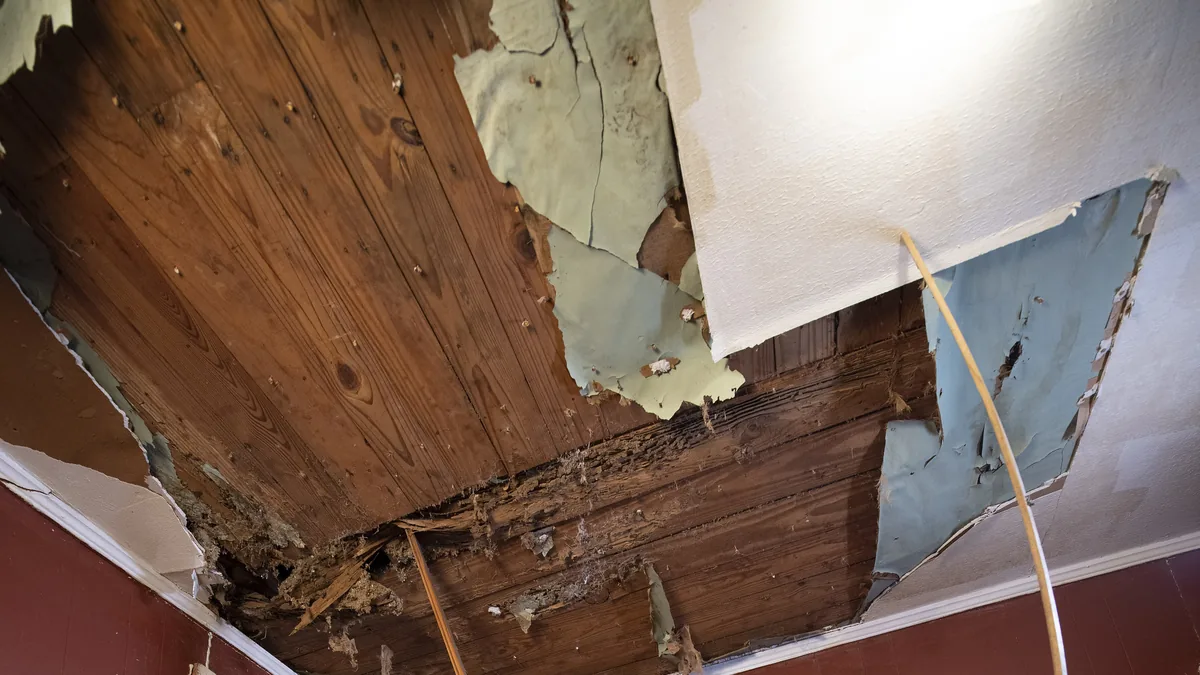
What to do in the first hour
- Get out of the wet area if water is near lights, outlets or a panel. Ceiling fixtures can fail when they are wet. Use a flashlight, not a lamp in a soaked room.
- Catch what you can and move belongings. A bucket under a drip, and furniture pulled off wet flooring, limits the loss. Do not punch a hole in the ceiling unless a licensed person has told you it is safe; you can make the opening larger or cut a live wire.
- Notify three parties as soon as you can: the occupant or owner of the unit above, the front desk or property manager, and the association. A phone call starts the process; a follow-up email or written ticket creates a time stamp.
- Photograph everything before it is torn out. Take pictures of the ceiling stain or drip, the wet floor, the highest mark on the wall, damaged furniture, and the clock or your phone's time stamp. If the association or a provider later opens the ceiling, photograph the source if it is visible.
- Ask the association to shut water off to the unit above if the leak is still running and no one there can stop it. A failed supply line, a overflowing tub, or a backed-up condensate pan will keep feeding your ceiling until the water stops.
If the leak has already soaked drywall or flooring, drying should start within 24 to 48 hours, which is the window the EPA cites to help prevent mold growth. Towels and a box fan are not a drying plan for a wet ceiling cavity.
Who usually pays: the 718.111(11)(f) split
Florida's condominium statute, section 718.111(11)(f), splits property insurance this way:
- The association policy covers the condominium property as originally installed.
- It excludes, inside the unit, floor, wall and ceiling coverings; electrical fixtures; appliances; water heaters; water filters; built-in cabinets and countertops; and window treatments. Those items are the unit owner's responsibility.
That is why a leak from above often produces two claim files. Paint, drywall that is part of the original building, and common elements may sit on the association side. Your flooring, your fixtures and your cabinets usually sit on your side. The association's declaration can add detail, so read it and ask the manager which policy they are putting on notice.
The condo leak responsibility guide walks through this split in plain language. It is a guide, not a legal opinion.
Dry the unit and the common elements together
A ceiling leak rarely stays in one finish. Water runs along a slab or a joist, soaks insulation, and can appear in a closet one unit over. If only your living room is dried and the wet drywall in the corridor or the unit above is left alone, moisture will migrate back. Ask the association and the unit above to let a provider measure those spaces too.
The provider should:
- Confirm the source is stopped before drying begins in earnest.
- Use moisture meters in the ceiling, walls and flooring, not a visual guess.
- Remove only what cannot be dried, and keep a written log of readings.
- Coordinate access with the association so common elements are not ignored.
Paperwork that helps later
- Written notice to the association and, if you have one, to your unit-owners insurer, with the date and time you first saw water.
- Photos and, if you can, a short video of the active drip.
- The names of anyone who entered the unit and what they did.
- Copies of tickets or emails, even if they are short.
Florida also has claim-notice deadlines that are easy to miss after a busy week in a tower. Those clocks are covered in a later post; the practical step today is to give notice in writing as soon as the loss is visible.
For building-wide water work, see condo water damage. For towers and mid-rises on the barrier island, local notes on older buildings and tidal streets are on the Miami Beach area page.
This site is an independent referral service. If you send a request, one local provider may contact you about your unit.
FAQs
Should I call the unit above or the association first?
Call both, and do it quickly. The occupant above may be able to shut a valve. The association needs notice because common elements and the association policy may be involved.
Can I hire a company without the association's approval?
You can usually arrange drying inside your own unit, but work on common elements or openings in a corridor ceiling typically needs the association. Ask the manager before anyone cuts into shared space.
Does my renters or unit-owners policy cover the neighbor's leak?
It may cover your contents and the finishes the statute assigns to you, subject to your deductible and exclusions. It generally does not rebuild the association's original building elements. Your insurer and the association's insurer have to sort the split.
How fast does the ceiling need to be dried?
Mold can start once wet drywall or insulation stays damp for more than a day or two, so start drying early. A wet ceiling cavity is easy to underestimate because the surface stain looks small.
Sources
- Fla. Stat. 718.111(11)(f), insurance on condominium property and unit-owner responsibilities.
- EPA, A Brief Guide to Mold, Moisture and Your Home.